
Why App Remotes Are No Replacement For The Real Thing
Smart homes and connected devices have changed how we interact with screens, yet some tools continue to prove their relevance through everyday use. The television remote is one such object. While mobile applications promise control through convenience, they often fall short in real world situations. The rise of app based control has sparked debate, but practical experience shows why physical TV Remotes still hold an unmatched place in daily viewing.
The appeal of app control lies in the idea of consolidation. One device claims to manage everything. In reality, this dependence introduces friction. Phones run out of battery, notifications interrupt viewing, and connectivity issues delay simple actions. A physical controller, on the other hand, responds instantly. It works without unlocking screens or navigating menus, delivering a direct and predictable experience that viewers value.
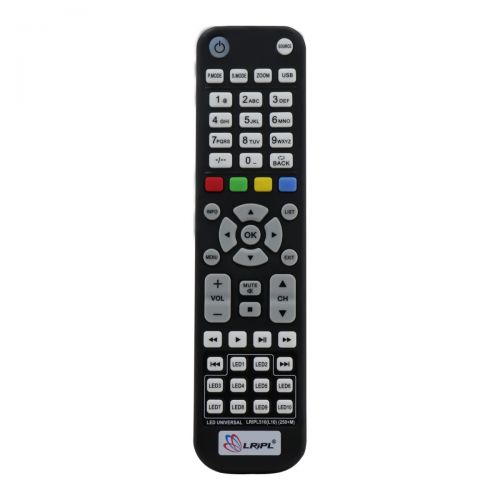
Another overlooked factor is tactile feedback. Buttons provide muscle memory and precision that glass screens cannot replicate. Adjusting volume or switching channels becomes instinctive, especially for children and elderly users. This is one reason households across the country continue to rely on TV Remotes in India, where ease of use often matters more than novelty.
App based solutions also assume constant internet access and compatible software updates. When networks lag or applications crash, control is lost entirely. A dedicated device operates independently, ensuring uninterrupted access regardless of technical hiccups. This reliability becomes crucial during live sports, news broadcasts, or family viewing time when delays are unacceptable.
Shared viewing environments further highlight the limitations of app control. A television is often used by multiple people, yet a phone remains personal. Passing around a handset is impractical, while a physical controller belongs naturally to the room. This shared accessibility reinforces why traditional control methods remain relevant even in modern homes.
There is also the matter of durability. Physical units are designed to withstand drops, frequent handling, and long term use. Applications depend on operating systems and device lifecycles, which change rapidly. When phones are replaced, compatibility issues arise, while a well made controller continues to function for years. This longevity explains why many consumers still prefer buying TV Remotes online rather than relying solely on applications.
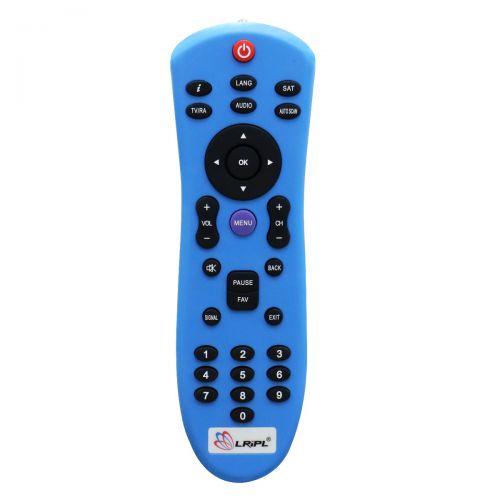
In essence, technology should simplify life, not complicate it. While app based control may seem innovative, it often introduces unnecessary dependency and inconsistency. The physical remote succeeds because it focuses on one purpose and performs it well, without distraction or interruption.
To experience dependable performance and everyday convenience, explore the brand compatible TV Remotes from LRIPL. Designed to work seamlessly across models and built for consistent use, these solutions reaffirm why the real thing continues to matter in modern living rooms.